How to Price Chimney Sweeping and Inspections by Level
How to price chimney sweeping and the Level 1, 2 and 3 inspections in NFPA 211: what each includes, the camera scan, the creosote upcharge and the add-ons.
The MakeHay team · · 11 min read
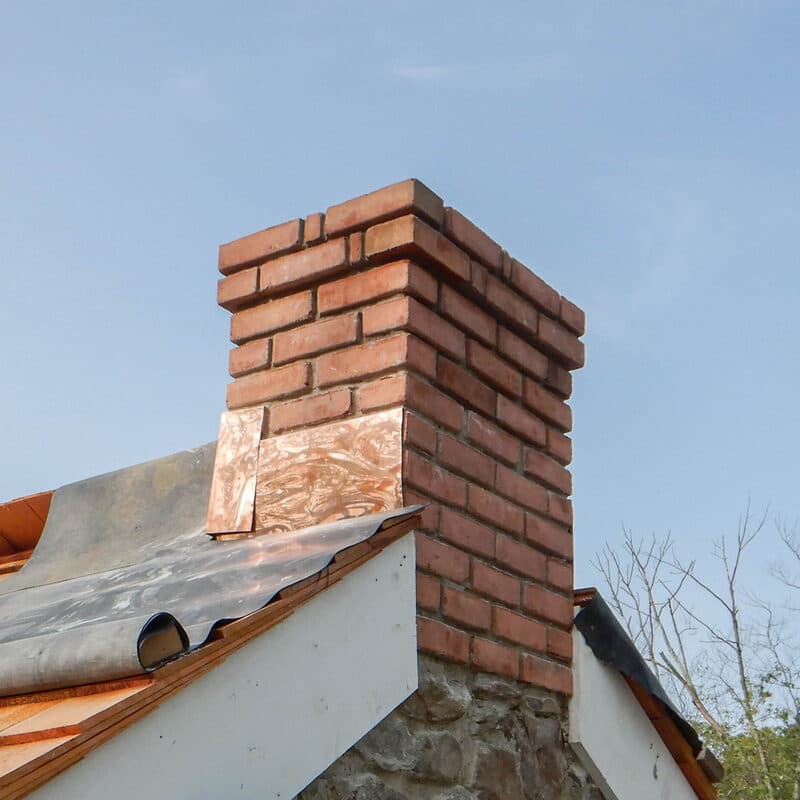
Here is how to price chimney sweeping so the flat rate holds and the extras get paid for. Sell the yearly visit as one line, a sweeping with a Level 1 inspection. Price the Level 2 camera scan as its own line, a Level 3 as time and materials, the creosote degree as the upcharge, and caps and dampers from the part.
What a sweeping is, and what NFPA 211 says comes with it
NFPA 211 is the Standard for Chimneys, Fireplaces, Vents and Solid Fuel Burning Appliances, and the Chimney Safety Institute of America quotes its rule on frequency: "Chimneys, fireplaces, and vents shall be inspected at least once a year for soundness," and "Cleaning, maintenance, and repairs shall be done if necessary." The inspection is the yearly requirement; the cleaning follows what the inspection finds.
CSIA also defines the service: "A complete chimney sweeping includes the chimney flue and smoke chamber." Its page says a homeowner whose sweep cleaned only the firebox did not get the service paid for. So the base line on your quote is two things together: a complete sweeping and a Level 1 inspection, which CSIA says "is detailed in the National Fire Protection Association (NFPA) 211."
| Level | What it covers | When it is the right line |
|---|---|---|
| Level 1 | The readily accessible portions of the chimney and the accessible portions of the connected appliance and chimney connection | Yearly, with the sweeping, when nothing has changed |
| Level 2 | Level 1 plus attics, crawl spaces and basements, and a camera scan of the flues | A sale, a new appliance or fuel, or an event that may have damaged the chimney |
| Level 3 | Level 2 plus removing parts of the chimney or building to reach concealed areas | When a Level 1 or 2 suggests a hidden hazard |
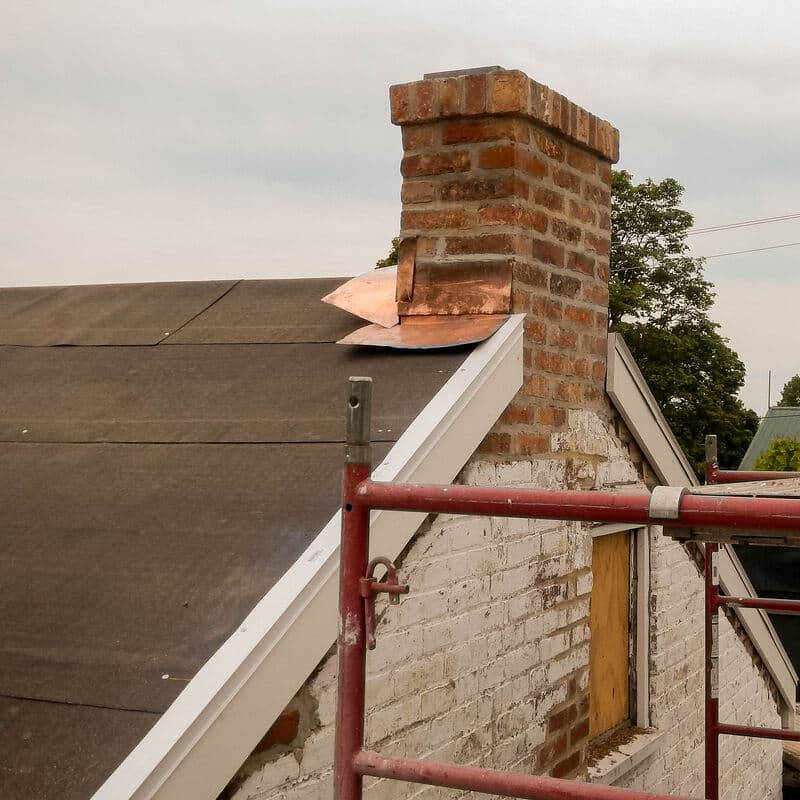
Chimney sweep pricing: the flat rate and what sits inside it
The yearly visit is a flat rate per flue, built from time. Time your next ten visits from the knock on the door to the truck door closing: drop cloths, vacuum, sweep, smoke chamber, the Level 1 walk, photos and the write-up. Divide by ten and that is the hours in the rate.
For the wage under those hours, the US Bureau of Labor Statistics' 2018 Standard Occupational Classification lists "Chimney Sweeper" as an illustrative example under Building Cleaning Workers, All Other, defined as "All building cleaning workers not listed separately." O*NET's wage page for that occupation, built on BLS 2025 data, reports a median of $21.17 an hour and $44,040 a year. That is the wage, not the cost: add taxes, insurance, equipment, the drive and the idle summer weeks, then margin.
- A second flue at the same house: the drive and the setup are already paid for, so price the added time only, and say so.
- A flue never swept, or a wood stove with a connector pipe to pull: more time, so a different flat rate, agreed before the ladder goes up.
Level 2 chimney inspection cost: the camera scan as its own line
A Level 2 arrives on a schedule the customer did not choose. A certified sweep's resource page says it "is also required upon the sale or transfer of a property," when a new appliance is added or the fuel type changes, and after a malfunction or outside event that may have damaged the chimney.
A home inspector's reading of the 2024 edition quotes section 15.4.2.3: the Level 2 includes examination of the flues with "image scanning equipment or more advanced technological viewing systems used as necessary to observe those areas." The committee's rationale says "the words 'other means' have sometimes been interpreted to be a flashlight or mirror" and "this was never the intent of the original statement."
Price it as a flat line separate from the sweeping: the camera time is the same whether the flue is clean or not, and a buyer ordering a Level 2 at a sale often wants no sweeping at all. When a Level 1 turns up something the camera must confirm, add the Level 2 on the spot, and the yearly price stays the yearly price.
A Level 3 is never flat. The same inspector's reading says it "involves taking stuff apart to access concealed areas," and a California fire district's page says "Level 3 is the most detailed and is appropriate whenever hazardous conditions may exist." Quote it as hours plus the repair of whatever was opened. After a chimney fire, quote nothing else first: the district says "extreme heat may have caused damage that cannot be seen with the naked eye."
Creosote stages and the upcharge for each
The flat rate assumes a brush will do. CSIA's threshold for a masonry fireplace is 1/8 inch of sooty buildup, sooner if any glaze is present; a factory-built fireplace is swept at any appreciable buildup because the deposit is acidic. Above the brush, the degree of creosote sets the upcharge.
| Degree | What it looks like | How it comes out |
|---|---|---|
| First | Flaky soft soot, similar to wood ash | A chimney brush |
| Second | Shiny black flakes with thick tar areas on the liner | Rotary cleaning: a cable and a hub of metal rods on a drill |
| Third (glazed) | Tar running down the inside of the liner | Chains in place of the rods, a chemical modifier, or a reline |
The insurer's guide warns that the chains used on third-degree creosote can crack tile and mortar, and its advice at that stage is that "it's wise to consider replacing the lining of your chimney versus having it cleaned." CSIA says chemical cleaners never replace mechanical cleaning and inspection. The modifier is a product with a label: Copperfield's listing for Saver Systems' Cre-Away says to "Apply during the heating season to modify glazed creosote, making it easier to remove," directly to the flue. A third-degree flue is therefore two visits, the treatment and the return sweep.
- First degree: inside the flat rate.
- Second degree: a rotary upcharge, priced from your timed difference between a brush job and a rod job.
- Third degree: the treatment, the return visit, and a Level 2 before the next fire, with a reline quote if the camera shows damage.
What the inspection turns into: repairs priced from the report
A Level 1 that finds a cracked crown, open joints or a missing cap is a repair quote waiting to be written. Send it as its own quote with the roof photos; pricing chimney repair and tuckpointing covers the crown, the flashing, pointing by the square foot of face and a rebuild by the course.
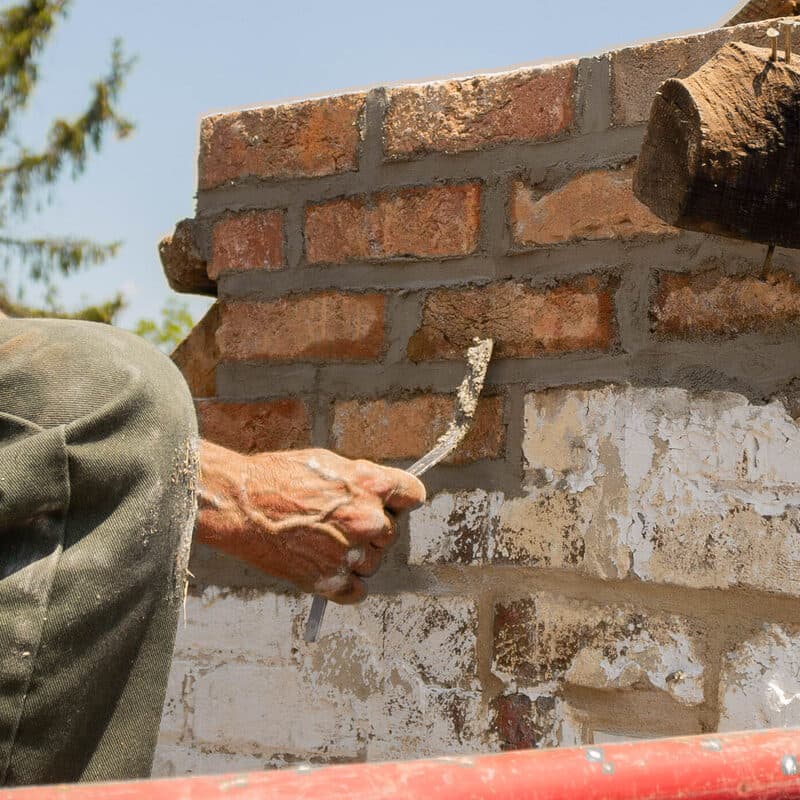
Caps, dampers and the add-on list
Chimney cap installation price, from the part up
A cap is the add-on a sweep sells most. Price it as the part plus the installed time. For a reference, Hemlock Hardware lists a Shelter 13 inch by 13 inch stainless steel single flue chimney cap, 304 stainless with a lifetime warranty, at $144.99 on October 18, 2026. Your supplier's price by flue size goes on the quote; the time is minutes once the ladder is up, so the installed price is mostly part and margin.
A top-sealing damper is the second add-on. Rockford Chimney Supply lists the Lock Top damper as low as $284.99, the 8 inch by 13 inch size, with the 8 inch by 8 inch at $295.99 on October 18, 2026; the page calls it "a low cost solution to replace throat dampers to help prevent heat and air loss" and says "do not use with gas appliances or gas logs." The install includes a cable run to a bracket in the firebox; time it once and quote it flat.
Good to know: Gas changes the quote: a damper the page says is not for gas logs, a furnace flue or a converted fireplace each changes what you may install. Ask the fuel on the request form.
Worked example: One flue, a sweeping with a Level 1, and a cap
- Time on site, from your own ten timed visits: 1.5 hours for the sweeping, the Level 1 walk and the write-up.
- Wages: 1.5 hours × $21.17 (O*NET's 2025 median for the occupation that lists chimney sweepers) = $31.76 before burden and margin.
- Flat rate: your burdened hourly cost × 1.5, plus margin, named on the quote as a complete sweeping with a Level 1 inspection.
- Cap: $144.99 for the 13 inch stainless cap (Hemlock Hardware) + 0.5 hours × $21.17 = $10.59 of wages, plus burden and margin, as its own line.
- Found in the flue: second-degree creosote, so the rotary upcharge, agreed before the rods go down.
- Not on this invoice: the cracked crown, which goes out as a separate repair quote.
Result: A yearly line built on 1.5 hours and $31.76 of wages before burden and margin, a cap line built on a $144.99 part and half an hour, a rotary upcharge agreed on site, and the repair as its own quote.
The yearly reminder: pricing next year before the truck leaves
The US Fire Administration says to have chimneys "cleaned and inspected each year by a professional," and Portland Fire and Rescue says before the start of every heating season. Portland's page, citing NFPA, says "The leading factor contributing to home heating fires (25%) was failure to clean," and the USFA counted an estimated 32,200 home heating fires in 2021, with 190 deaths.
In MakeHay, the sweeping becomes a recurring service, so next October's visit is on the calendar the day this one closes, and the customer record keeps the history: which flue, what degree of creosote, which cap went on, what the camera found. A review request can go out by email after the visit on a schedule you set, and the repair goes out as a separate quote the customer approves and signs online.
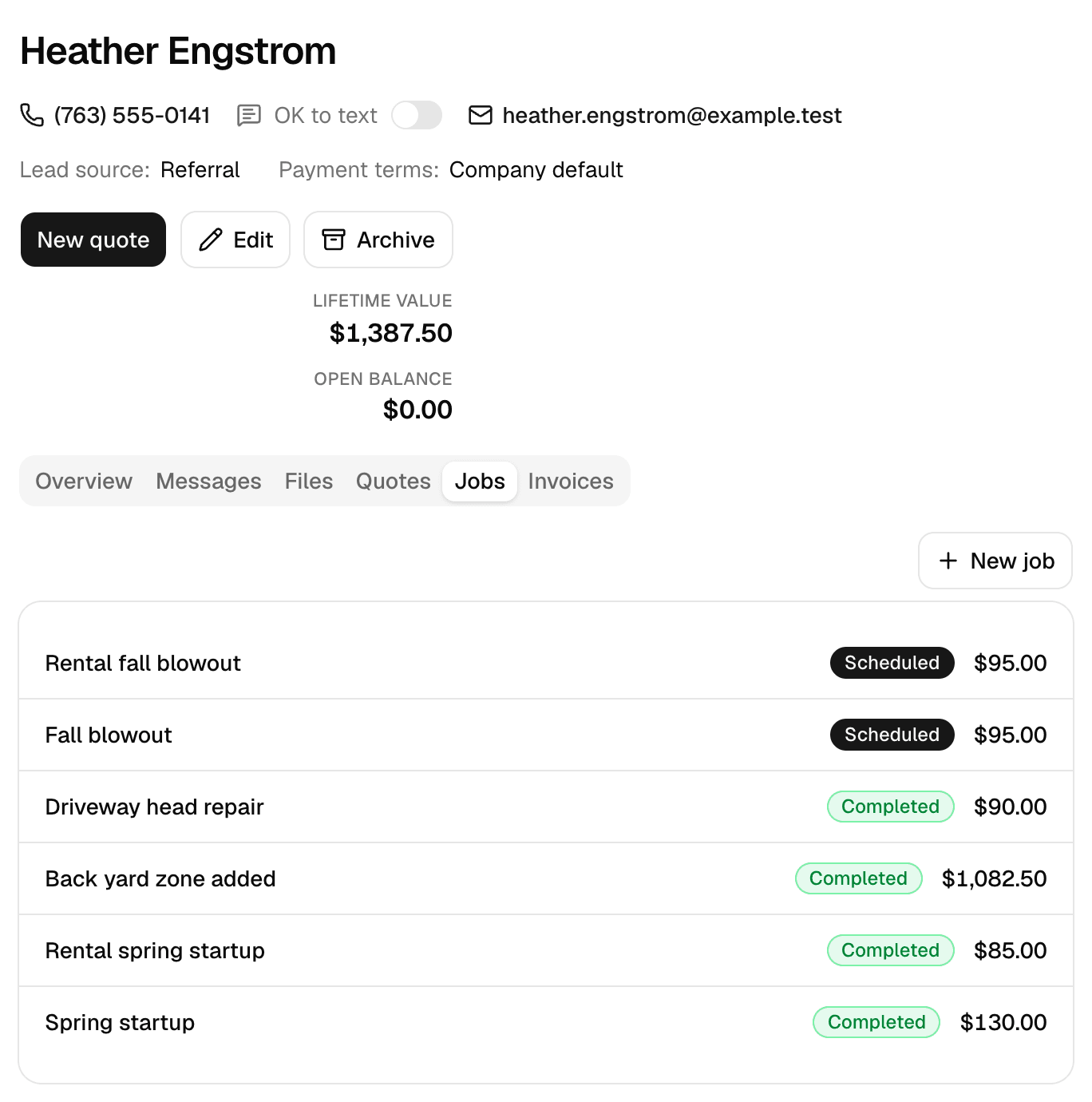
A customer's job history, scheduled jobs above the completed ones, the same screen for a flue swept every fall.
Book the next visit at the door. The chimney fire signs Portland lists, "a loud roar, sucking sounds, shaking pipes, hot spots on the wall or chimney, or smoke in the house or apartment," belong on the leave-behind with the date of the next sweeping, and the cap or crown quote goes out the same evening.
FAQ
How often should a chimney be inspected?
At least once a year. CSIA quotes NFPA 211: chimneys, fireplaces and vents shall be inspected at least once a year for soundness, with cleaning, maintenance and repairs done if necessary. Portland Fire and Rescue says before every heating season.
Does a Level 2 inspection require a camera?
Under the 2024 edition as a home inspector reads it, yes: section 15.4.2.3 calls for image scanning equipment or more advanced viewing systems used as necessary to observe the flues, and the committee wrote that a flashlight or mirror was never the intent.
When is a sweeping not enough and a reline the answer?
At third-degree, glazed creosote. An insurer's guide describes it as tar running down the inside of the liner, says the chains used to chip it off can crack tile and mortar, and advises considering a new liner instead of cleaning. Treat, return, scan, then quote the reline.
Sources
- Chimney Safety Institute of America: Homeowner Resources · Quotes NFPA 211: "Chimneys, fireplaces, and vents shall be inspected at least once a year for soundness" and "Cleaning, maintenance, and repairs shall be done if necessary"; "A complete chimney sweeping includes the chimney flue and smoke chamber," and a homeowner whose sweep cleaned only the firebox brickwork did not get the service paid for; "A Level 1 inspection is detailed in the National Fire Protection Association (NFPA) 211"; masonry fireplaces should be swept at 1/8 inch of sooty buildup and sooner if any glaze is present; factory-built fireplaces should be swept when any appreciable buildup occurs because the deposit is acidic; gummy creosote may require a chemical treatment or acid application, crusty creosote that fractures may be removed by rotary cleaning, and chemical cleaners alone are "not an adequate substitute for mechanical chimney cleaning and inspection." (accessed October 18, 2026)
- Chimney Care Plus: The Three Levels of Inspection · A certified sweep's resource page: NFPA 211 is the standard CSIA certified sweeps follow and sorts inspections into three levels; a Level 1 "verifies that the chimney structure is sound and that the chimney is free of obstructions and combustible deposits"; a Level 2 is required when a new appliance is added or the fuel type changes, "is also required upon the sale or transfer of a property," and after a malfunction or external event that may have damaged the chimney, adds accessible attics, crawl spaces and basements, and includes a video inspection "if recommended by the certified chimney sweep"; a Level 3 applies when a Level 1 or 2 suggests a hidden hazard and the evaluation "cannot be performed without access to concealed areas"; CSIA and NFPA recommend yearly inspections. (accessed October 18, 2026)
- Structure Tech Home Inspections: Do you need a camera to perform a Level 2 chimney inspection? · December 3, 2024, reading chapter 15 of NFPA 211: a Level 1 is a visual inspection of the "readily accessible portions of the chimney and accessible portions of the connected appliance and chimney connection," recommended annually with routine cleaning; a Level 2 adds "all accessible exterior and interior components in attics, crawl spaces, and basements" and is recommended at a sale or transfer; a Level 3 "involves taking stuff apart to access concealed areas" and is reserved for damage incidents or suspected hazards; section 15.4.2.3 of the 2024 edition calls for "image scanning equipment or more advanced technological viewing systems used as necessary to observe those areas"; the committee's rationale says "the words 'other means' have sometimes been interpreted to be a flashlight or mirror" and "this was never the intent of the original statement." (accessed October 18, 2026)
- Mi-Wuk Sugar Pine Fire Protection District: Chimney Maintenance · A California fire district's page citing NFPA 211: "Level 1 specifies the minimum actions required for a routine annual inspection"; a Level 2 is recommended for newly purchased homes or planned system changes and requires a visual inspection of all internal surfaces including flue liners and joints; "Level 3 is the most detailed and is appropriate whenever hazardous conditions may exist"; cleaning is needed whenever measurable deposits of creosote are found; "If a chimney fire has occurred, extreme heat may have caused damage that cannot be seen with the naked eye"; the page cites chapter 14 of the 2013 edition. (accessed October 18, 2026)
- American Family Insurance: Chimney Fire Prevention · Insurer's guide updated August 30, 2024: "Similar to wood ash, first-degree creosote is flaky soft soot" and "It typically only needs a chimney brush to clean"; second-degree creosote has "thick areas of tar that look like shiny black flakes" on the lining, removed with "a stainless steel cable connected to a hub of metal rods attached to a powerful drill"; "Third-degree creosote will look like tar running down the inside of your chimney lining"; for it, "those rotating metal rods are replaced with small lengths of chains that chip away at the buildup," which can crack bricks, mortar and lining tiles, or chemicals break it down, and "it's wise to consider replacing the lining of your chimney versus having it cleaned"; creosote should be cleaned out every year; sweeping logs "should never be used as a replacement to getting a sweep to inspect and clean." (accessed October 18, 2026)
- Copperfield Chimney Supply: ChimneySaver Cre-Away Creosote Remover, 16 oz squeeze tubes, case of 6 · Distributor listing of a Saver Systems product: "Apply during the heating season to modify glazed creosote, making it easier to remove"; "Apply Cre-Away directly to the flue (not into the fire) using the one-pound applicator bottle"; a four-component powder with a reactive agent that neutralizes acidity, a dehydrator, a combustion inhibitor and a magnesium catalyst that helps break down third degree creosote when the flue is heated by normal use; no usable price shown (login to purchase). (accessed October 18, 2026)
- Hemlock Hardware: Shelter 13 In. x 13 In. Stainless Steel Single Flue Chimney Cap · Regular price $144.99, October 18, 2026; 100 percent 304 stainless steel with a 24 gauge hood, 16 gauge base and 18 gauge 3/4 inch expanded mesh; lifetime warranty; designed for single flue chimneys; an optional leg kit for a flue tile that does not extend above the crown. (accessed October 18, 2026)
- Rockford Chimney Supply: Lock Top Chimney Damper · "As low as" $284.99, October 18, 2026; variants 8 in. x 8 in. at $295.99, 8 in. x 13 in. at $284.99, 8 in. x 17 in. at $293.99, larger sizes sold out; "a low cost solution to replace throat dampers to help prevent heat and air loss"; a silicone gasket under the lid; includes a 30 ft stainless steel cable, mounting adhesive and hardware, mounted on top of the flue with the handle on a bracket on the fireplace wall; "do not use with gas appliances or gas logs." (accessed October 18, 2026)
- US Bureau of Labor Statistics: 2018 Standard Occupational Classification, major groups and definitions · Building Cleaning Workers, All Other, defined as "All building cleaning workers not listed separately," with the illustrative examples "Building Pressure Washer" and "Chimney Sweeper"; Janitors and Cleaners, Except Maids and Housekeeping Cleaners, lists Industrial Plant Custodian, School Custodian and Window Washer. (accessed October 18, 2026)
- O*NET OnLine: Building Cleaning Workers, All Other, summary report · Occupation defined as "All building cleaning workers not listed separately"; wages shown as "$21.17 hourly" and "$44,040 annual" median, from BLS 2025 wage data; no sample job titles listed for an All Other occupation. (accessed October 18, 2026)
- US Fire Administration: Heating fire safety · "Maintain heating equipment and chimneys by having them cleaned and inspected each year by a professional"; "Have chimneys and vents cleaned and inspected at least once a year"; heating fires "remained the second leading cause of home fires in 2021"; an estimated 32,200 home heating fires reported to US fire departments in 2021, with an estimated 190 deaths, 625 injuries and $442 million in property loss; page last reviewed May 4, 2023. (accessed October 18, 2026)
- Portland Fire and Rescue (City of Portland, Oregon): Chimney and Wood Stove Safety · "Have your chimney inspected by a professional prior to the start of every heating season and cleaned if necessary"; wood stove chimney connections and flues should be inspected at the beginning of each heating season; "Creosote, a chemical substance that forms when wood burns, builds up in chimneys" and can start a chimney fire if it is not removed by cleaning; citing NFPA, "The leading factor contributing to home heating fires (25%) was failure to clean"; the signs of a chimney fire are "a loud roar, sucking sounds, shaking pipes, hot spots on the wall or chimney, or smoke in the house or apartment"; burn only clean, dry, seasoned firewood. (accessed October 18, 2026)